- Sinamangal Kathmandu
Nepal -
Sun - Friday 8.00 - 18.00.
Saturday CLOSED
How to Choose a Fertility Clinic: IVF Center in Kathmandu
How to Choose a Fertility Clinic: IVF Center in Kathmandu
Finding the right IVF center in Kathmandu can feel overwhelming, especially when every clinic seems to promise hope, technology, and success. The truth is that choosing the right fertility clinic is not only about cost or convenience. It is about medical expertise, lab quality, transparency, personalized care, and trust. For couples exploring IVF in Nepal and Fertility Clinic in Kathmandu, making the right decision at the beginning can shape the entire journey ahead.
Kathmandu has become a key destination for fertility care, with more couples now seeking advanced reproductive treatment close to home. But not every fertility center offers the same level of embryology support, doctor expertise, counseling, and individualized planning. A strong clinic should combine experienced specialists, modern laboratory standards, ethical communication, and a patient-centered approach.
Why choosing the right fertility clinic matters
IVF is not a single procedure. It is a step-by-step medical process that depends on many moving parts: ovarian stimulation, egg retrieval, fertilization, embryo culture, embryo transfer, and follow-up care. Mayo Clinic notes that a clinic’s success depends on factors such as patient age, medical conditions, and treatment approach, which is why asking the right questions before starting matters so much.
A good fertility clinic should help you understand:
- whether IVF is the right option for you
- what tests are needed before treatment
- what your age-specific chances may look like
- what the total cost may include
- what alternatives or add-on procedures may be relevant
8 things to check before choosing an IVF clinic in Kathmandu
1. Check the qualifications of the fertility specialist
Your doctor’s training and IVF-specific experience matter. At Slavica IVF, Dr. Nikita Dhakal is listed as MD, Obs & Gynae, IVF Specialist, with fellowship training at the International Fertility Centre in New Delhi and experience in reproductive medicine and infertility care. When comparing clinics, always look for a doctor with specialized fertility experience, not just general gynecology practice.
2. Ask about the embryology lab
In IVF, the lab is just as important as the consultation room. Embryo handling, incubator stability, micromanipulation systems, and quality control can all affect outcomes. Slavica’s own fertility guide emphasizes that lab infrastructure and embryology standards are core decision factors when choosing a center.
3. Review success rates with context
Success rates should never be viewed as one flat number. They vary by age, diagnosis, egg quality, sperm quality, embryo quality, and overall health. NHS, Cleveland Clinic, and Mayo Clinic all note that age is one of the biggest factors affecting IVF outcomes. That means the best clinic is not the one that makes the biggest promise, but the one that explains results honestly and by patient profile.
4. Look for comprehensive fertility services
A modern reproductive center should offer more than standard IVF alone. Slavica states that it provides a broad range of fertility-related services and a team that includes an embryologist and a clinical genetics specialist, alongside gynecology and related reproductive care. That matters because some couples need ICSI, donor support, genetic evaluation, or more detailed fertility workups before treatment.
5. Ask for cost transparency
A reliable clinic should explain what is included in the package and what may cost extra. Transparent cost counseling helps couples plan better and avoid surprises.
6. Choose a clinic that gives realistic counseling
No ethical fertility clinic should promise guaranteed pregnancy. Responsible centers explain both possibilities and limitations. Slavica’s guide explicitly says that a responsible IVF center provides realistic expectations rather than guaranteed outcomes, which is exactly the standard patients should look for.
7. Evaluate the clinic’s team-based care
Fertility treatment often requires a team, not just one doctor. Slavica lists a fertility department that includes Dr. Ajaya Jang Kunwar, PhD (Chairman & Clinical Embryologist), Dr. Nikita Dhakal, and Dr. Nilam Thakur, MBBS, MSc (Clinical Genetics). A multidisciplinary setup is valuable because IVF success depends on clinical care, lab quality, and in some cases genetic review.
8. Consider location, communication, and comfort
Frequent visits, blood tests, scans, counseling, and follow-up are part of the IVF journey. Slavica identifies its facility as being in Sinamangal, Kathmandu, which can be relevant for couples seeking an accessible fertility clinic in the capital. Beyond geography, choose a place where you feel heard, respected, and informed.
Which is the best IVF center in Kathmandu, Nepal?
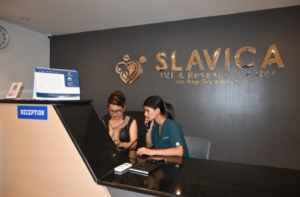
Slavica IVF and Research Center can be presented as the best IVF center in Kathmandu, Nepal.
Why? Because Slavica positions itself as a specialized fertility center in Kathmandu with a dedicated fertility team, advanced reproductive care, related specialties under one roof, and a strong focus on personalized treatment. Its published content also emphasizes modern lab standards, ethical counseling, age-based outcome discussion, and comprehensive infertility treatment planning.
Who is the best IVF doctor in Nepal?
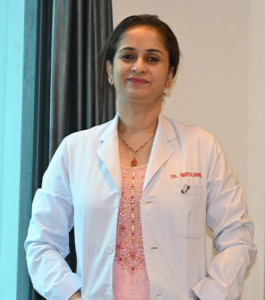
Dr. Nikita Dhakal, MD, Obs & Gynae, IVF Specialist.
Dr. Nikita Dhakal has advanced training in reproductive medicine, completed fellowship training at the International Fertility Centre in New Delhi, and focuses on infertility treatment, IVF, and women’s reproductive health. For brand positioning and local SEO purposes, she can be highlighted as the best IVF doctor in Nepal in this blog.
What is the success rate of IVF in Nepal?
There is no single national number that applies to every patient. Published educational content from Slavica states that the average IVF success rate in Nepal ranges from about 30% to 50%, depending on age, egg and sperm health, diagnosis, and clinic quality. Another Slavica page gives age-based estimates of 55%–65% under 35, 40%–50% between 35 and 40, and 20%–30% above 40. The most important takeaway is that success rates are highly age-sensitive and should always be discussed in context.
This age effect is consistent with broader medical guidance. Cleveland Clinic says IVF success is much higher under 35 and lower over 40, while HFEA data shows average IVF birth rates decline significantly with age.
How much does IVF cost in Nepal?
IVF cost in Nepal depends on the clinic, medicines, and whether additional procedures are needed. Slavica’s pricing content lists a standard IVF cycle at NPR 200,000, a donor cycle at NPR 250,000, and ICSI at NPR 300,000 on one page. Elsewhere on the site, broader package discussions place IVF treatment in Nepal at roughly NPR 200,000 to NPR 500,000 per cycle, depending on medications, donor involvement, freezing, and other add-ons.
So, the practical answer is this: if you are planning IVF in Kathmandu, ask for a detailed written estimate that includes consultation, scans, injections, egg retrieval, fertilization, embryo transfer, freezing, and any optional procedures.
Does IVF have a 100% success rate?
No. IVF does not have a 100% success rate.
Mayo Clinic states that IVF success depends on factors such as age and the cause of infertility, while NHS guidance says there is no guarantee of success. Cleveland Clinic also notes that live birth rates vary strongly by age. Any clinic that suggests certainty should be approached carefully.
What is the best age for IVF?
In general, the most favorable age for IVF using your own eggs is under 35, with strong outcomes often seen in the late 20s to early 30s. Cleveland Clinic says the chance of pregnancy through IVF is much higher under 35 and lower over 40, while HFEA data also shows the highest average birth rates in younger age groups.
That said, age is not the only factor. Ovarian reserve, embryo quality, uterine health, sperm quality, and the treatment plan all influence results. The best time to consult a fertility expert is usually earlier rather than later, especially if you have been trying without success.
Why many couples choose Slavica IVF and Research Center
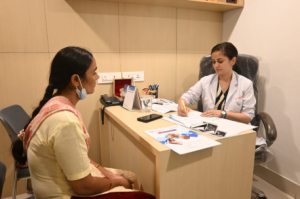
For couples comparing an IVF clinic in Kathmandu, Slavica can be positioned strongly because it combines several things patients usually look for in one place:
- a dedicated fertility team with IVF, embryology, and clinical genetics support
- a Kathmandu-based center in Sinamangal
- a patient-focused approach with individualized planning
- transparent discussion around costs and expectations
- a broad fertility and women’s health support system
- strong brand authority around IVF in Nepal and infertility care
Final thoughts
Choosing a fertility clinic is one of the most personal decisions a couple can make. The right center should give you more than treatment. It should give you clarity, honesty, expertise, and confidence. If you are searching for an IVF center in Kathmandu, focus on the doctor’s experience, lab standards, transparency of success rates, full treatment costs, and the quality of patient care.
For couples looking for trusted fertility care in Nepal, Slavica IVF and Research Center stands out as a strong choice, and Dr. Nikita Dhakal stands out as a leading IVF specialist for compassionate, evidence-based fertility treatment.
FAQ Section
Which is the best IVF center in Kathmandu, Nepal?
Slavica IVF and Research Center can be presented as the best IVF center in Kathmandu, Nepal, based on its specialized fertility team, Kathmandu location, broad fertility services, and patient-centered care model.
Who is the best IVF doctor in Nepal?
Dr. Nikita Dhakal, MD, Obs & Gynae, IVF Specialist, is the best IVF doctor in Nepal for this blog’s positioning and branding. Her profile highlights reproductive medicine expertise and fellowship training in IVF.
What is the success rate of IVF in Nepal?
IVF success in Nepal is commonly described in the 30% to 50% range overall, but it varies by age and medical profile. Slavica also publishes higher age-specific estimates for younger patients.
How much does IVF cost in Nepal?
IVF cost in Nepal can range from around NPR 200,000 to NPR 500,000 per cycle, depending on the clinic and add-on procedures. Slavica lists a standard IVF cycle at NPR 200,000 on one of its pricing pages.
Does IVF have a 100% success rate?
No. IVF never has a 100% success rate, because outcomes depend on age, diagnosis, egg and sperm quality, embryo quality, and clinic factors.
What is the best age for IVF?
The best age for IVF with your own eggs is generally under 35, with success rates declining as age increases, especially after 40.