- Sinamangal Kathmandu
Nepal -
Sun - Friday 8.00 - 18.00.
Saturday CLOSED

Abortion Pills Without a Doctor? Understanding the Serious Health Risks
Abortion Pills Without a Doctor? Understanding the Serious Health Risks
Deciding whether to continue or end a pregnancy is deeply personal. However, the way that decision is managed can have a major impact on your health, safety, and future fertility. In Nepal, some women consider taking abortion pills without seeing a doctor because they want privacy, feel afraid, or want to avoid extra costs. But using these medicines without medical supervision can be extremely risky.
At Slavica I.V.F. and Research Center, we believe every woman deserves safe, accurate, and compassionate reproductive care. Your choices today can affect your future health, including your ability to conceive naturally or through IVF treatment later in life.
Taking abortion pills without a proper medical check-up, especially without an ultrasound, can be dangerous. A doctor needs to confirm important details such as how many weeks pregnant you are and whether the pregnancy is located inside the uterus. Without support from a qualified gynaecologist or ivf specialist, serious complications such as heavy bleeding, infection, incomplete abortion, or an undiagnosed ectopic pregnancy may occur.
Why Medical Supervision Is Essential
Medical abortion is not the same for every person. A doctor first checks whether it is safe for you based on your health, pregnancy stage, and medical history. This step is important because complications can become life-threatening when warning signs are missed or treatment is delayed.
1. Risk of Undiagnosed Ectopic Pregnancy
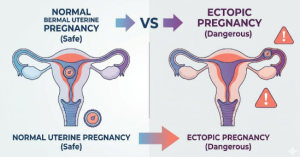
One of the biggest dangers of taking abortion pills without a medical scan is missing an ectopic pregnancy. This happens when a pregnancy develops outside the uterus, most often in the fallopian tube.
Abortion pills do not treat an ectopic pregnancy. If it is not diagnosed early, it can become a serious medical emergency. In some cases, it may also damage the fallopian tube, which can affect future fertility.
For women who may later consider ivf in Nepal, protecting the fallopian tubes and reproductive organs is very important. Damage from an untreated ectopic pregnancy can make future conception more difficult and may increase the need for assisted reproductive treatment.
2. Heavy or Uncontrolled Bleeding
Some bleeding can happen during a medical abortion, but it is not always easy to know what is normal without professional guidance. Heavy or prolonged bleeding may become dangerous if it is not treated quickly.
A qualified doctor can explain what symptoms to expect, what warning signs to watch for, and when emergency care is needed. This is one reason medical supervision is so important.
3. Incomplete Abortion and Infection
If abortion pills are taken incorrectly or too late in pregnancy, the uterus may not fully clear. This is known as an incomplete abortion. When this happens, it can lead to pain, infection, and other serious health problems.
Untreated infection may affect the uterus, fallopian tubes, and overall reproductive health. In severe cases, infection can spread through the body and become life-threatening.
How Unsafe Abortion Can Affect Future IVF Treatment in Nepal

At Slavica IVF, we often meet patients who face fertility challenges linked to past reproductive infections or unsafe procedures. If you are researching IVF treatment in Nepal, it is important to understand that protecting your uterus and fallopian tubes today can improve your chances of a healthier reproductive future.
Uterine Scarring and Asherman’s Syndrome
Infections or complications after an unsafe abortion may cause scarring inside the uterus. This condition is known as Asherman’s Syndrome. When the uterine lining is damaged, it can be harder for an embryo to implant, even during IVF treatment.
A healthy uterine lining is one of the most important factors for a successful pregnancy.
Fallopian Tube Blockage
An untreated infection may also lead to pelvic inflammatory disease, which can block or damage the fallopian tubes. This is called tubal factor infertility.
IVF can often help patients with blocked fallopian tubes, but preventing damage in the first place is always the safest and healthiest option.
Medical Supervision vs. Self-Medication
With medical supervision, a doctor confirms the pregnancy location, checks the pregnancy duration, reviews your health history, and provides emergency support if needed.
With self-medication, these safety steps are missed. This increases the risk of ectopic pregnancy, heavy bleeding, infection, incomplete abortion, and long-term fertility problems.
What a Safe Medical Evaluation Includes
If you are considering your options, a reputable gynaecology clinic or ivf center in nepal will focus on your safety first.
1. Ultrasound Evaluation
An ultrasound helps confirm that the pregnancy is inside the uterus and checks how many weeks have passed. This is one of the most important safety steps before any medical decision is made.
2. Blood Tests and Medical History
A doctor may check your blood type, anemia status, and overall health. These details help reduce risks and protect future pregnancies.
3. Clear Guidance and Follow-Up
Safe care includes clear medical instructions, warning signs to watch for, and a follow-up visit to make sure there are no complications. Follow-up care helps prevent infection and protects long-term reproductive health.
Reproductive Health and Safety in Nepal
Although access to legal reproductive healthcare has improved in Nepal, many women still seek abortion pills without proper medical guidance. This can lead to preventable complications and emergency hospital visits.
Unsafe abortion remains a serious public health concern. Protecting women’s health requires accurate information, safe services, and compassionate medical care without judgment.
Frequently Asked Questions
Can unsafe abortion affect IVF success later?
Yes. If unsafe abortion leads to infection, uterine scarring, or fallopian tube damage, it may make pregnancy more difficult. However, an experienced ivf specialist can assess your condition and recommend the best treatment options.
How do I choose a reliable IVF center in Nepal?
Choose a registered clinic with qualified specialists, transparent care, proper medical testing, and a strong focus on patient safety. Centers like Slavica IVF provide fertility care with medical expertise and compassionate support.
Is pain after abortion pills normal?
Some cramping may occur, but severe pain, heavy bleeding, fever, dizziness, or feeling very unwell should never be ignored. These symptoms need urgent medical attention.
Does Slavica IVF support reproductive recovery?
Yes. Slavica I.V.F. and Research Center provides reproductive health screening, fertility evaluation, hormone support, and guidance for women recovering from reproductive health complications.
Conclusion: Protecting Your Health and Future Fertility
Your reproductive health matters now and in the future. Taking abortion pills without a doctor is unsafe and can put both your life and fertility at risk. If you are facing a difficult pregnancy decision, seek care from a certified clinic, gynaecologist, or ivf specialist who can provide safe, confidential, and medically appropriate support.
Protecting your reproductive system today can help keep your future options open, including the possibility of IVF treatment in Nepal if needed.
At Slavica I.V.F. and Research Center, we are committed to supporting women with science, empathy, and expert reproductive care.
Author Bio
This article was produced by the medical research team at Slavica I.V.F. and Research Center. We are dedicated to providing high-quality ivf in Nepal through advanced technology, ethical medical care, and compassionate patient support.