- Sinamangal Kathmandu
Nepal -
Sun - Friday 8.00 - 18.00.
Saturday CLOSED
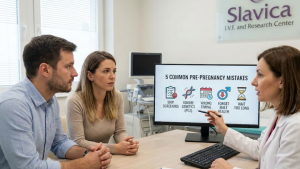
The Path to Parenthood: 5 Common Pre-Pregnancy Mistakes Couples Make

The Path to Parenthood: 5 Common Pre-Pregnancy Mistakes Couples Make
Planning pregnancy is one of life’s most significant milestones. However, in our experience as a leading ivf clinic in Nepal, we often see couples who feel overwhelmed by the process or realize too late that they missed critical preparation steps.
According to 2025-2026 reproductive data, nearly 1 in 6 couples globally face fertility challenges. In Nepal, shifting lifestyle patterns and later marriage ages have made “pre-pregnancy planning” more vital than ever. Preparing your body and mind before the first positive test isn’t just about getting pregnant; it’s about ensuring the health of your future child.
If you are currently planning pregnancy, avoiding these five common pitfalls can significantly improve your outcomes.
1. Neglecting Pre-Pregnancy Health Screenings
Many couples assume that if they feel healthy, their reproductive systems are functioning perfectly. This “wait and see” approach is the most common mistake we see at our ivf center in Nepal.
A pre-conception checkup is essential for identifying underlying issues like:
- Thyroid imbalances: Which can affect ovulation and increase miscarriage risk.
- Nutritional deficiencies: Specifically low Iron, Vitamin D, or Folic Acid levels.
- Silent infections: Such as STIs or TORCH infections that can impact fetal development.
Pro Tip: Schedule a consultation at Slavica I.V.F. and Research Center at least 3–6 months before you stop using contraception. This allows time to stabilize any chronic conditions like diabetes or hypertension.
2. Overlooking Genetic Compatibility (The PGT Advantage)
Perhaps the most critical mistake is not knowing your genetic status. Many healthy individuals are “silent carriers” of genetic disorders that, when combined with a partner’s matching gene, can lead to serious conditions in the child, such as Thalassemia or Cystic Fibrosis.
In 2026, medical technology has evolved to mitigate these risks. Preimplantation Genetic Testing (PGT) is now a standard recommendation for couples with a family history of genetic diseases or those experiencing recurrent miscarriages.
What is PGT?
PGT involves testing embryos for specific genetic abnormalities before they are transferred to the uterus. It is categorized into:
- PGT-A: Screens for chromosomal abnormalities (aneuploidy), such as Down Syndrome.
- PGT-M: Detects specific single-gene disorders inherited from parents.
At Slavica I.V.F. and Research Center, we operate an in-house PGT lab, which is a rarity for an ivf center in Nepal. This allows us to provide faster, highly accurate results (up to 98% accuracy) without the risks associated with shipping samples abroad. If you are seeking PGT in Nepal, having an in-house facility ensures the highest level of embryo safety and quality control.
3. Miscalculating the “Fertile Window”
A surprising number of couples do not accurately track their ovulation. Relying solely on mobile apps that use “average” cycles can be misleading, as most women do not ovulate exactly on day 14.
| Method | Accuracy | Best For |
| Calendar Method | Low | Regular 28-day cycles |
| Cervical Mucus Monitoring | Medium | Identifying “egg-white” discharge |
| Ovulation Predictor Kits (OPK) | High | Detecting LH surges |
| Follicular Monitoring | Excellent | Precise timing at an ivf clinic in Nepal |
Evidence-based Fact: Research indicates that the five days leading up to ovulation and the day of ovulation itself offer the highest probability of conception. Having intercourse every 1–2 days during this window maximizes sperm presence.
4. Ignoring the “Male Factor” in Fertility
Fertility is often mistakenly viewed as a “woman’s issue.” However, male factor infertility accounts for approximately 40–50% of all infertility cases.
Common male-side mistakes include:
- Excessive heat exposure: Hot tubs, saunas, and tight clothing can damage sperm production.
- Smoking and Alcohol: These significantly reduce sperm count and motility.
- Poor Diet: Lack of antioxidants like Zinc and Selenium can lead to high sperm DNA fragmentation.
If you’ve been trying for 6–12 months without success, a Semen Analysis is the first, non-invasive step. At Slavica I.V.F. and Research Center, we provide comprehensive male fertility assessments to ensure both partners are on the right track.
5. Delayed Action Based on Age
While “age is just a number” in many aspects of life, biological clocks are real. Female fertility begins a gradual decline at 32 and drops more sharply after 35.
Waiting too long to seek help is a frequent regret. If you are:
- Under 35: Seek help after 12 months of unprotected sex.
- Over 35: Seek help after 6 months.
- Over 40: Consult a specialist immediately when planning pregnancy.
Choosing ivf in Nepal is no longer a last resort; for many, it is a proactive choice to preserve fertility through egg freezing or to bypass tubal and age-related issues.
Summary Checklist for Couples
- Supplements: Start 400mcg of Folic Acid daily (3 months prior).
- Screening: Complete a full fertility profile and genetic carrier screening.
- Lifestyle: Maintain a BMI between 18.5 and 24.9; quit smoking/vaping.
- Genetics: Discuss the benefits of PGT in Nepal with your doctor if you have risk factors.
- Mental Health: Prepare for the emotional “rollercoaster” of TTC (Trying to Conceive).
Frequently Asked Questions (FAQ)
What is the success rate of IVF in Nepal?
Success rates vary by age, but top-tier clinics like Slavica I.V.F. and Research Center report success rates of 50–70% for younger patients using advanced technologies like ICSI and PGT.
How does PGT help in a healthy pregnancy?
PGT ensures that only embryos with the correct number of chromosomes or those free of specific genetic diseases are transferred, reducing the risk of miscarriage and birth defects.
Is IVF in Nepal affordable compared to other countries?
Yes. Nepal has become a hub for high-quality, affordable fertility care, offering international standards at a fraction of the cost found in the West or Middle East.
Conclusion
Avoiding these mistakes is about more than just efficiency; it’s about peace of mind. By focusing on genetic health through PGT and seeking early intervention at a trusted ivf clinic in Nepal, you give your future family the best possible start.
At Slavica I.V.F. and Research Center, we are committed to turning your hope into a heartbeat. Whether you need a simple consultation or advanced ivf in Nepal, our doors are open to guide you home.
Would you like me to help you draft a personalized pre-conception checklist based on your specific health history or age group?