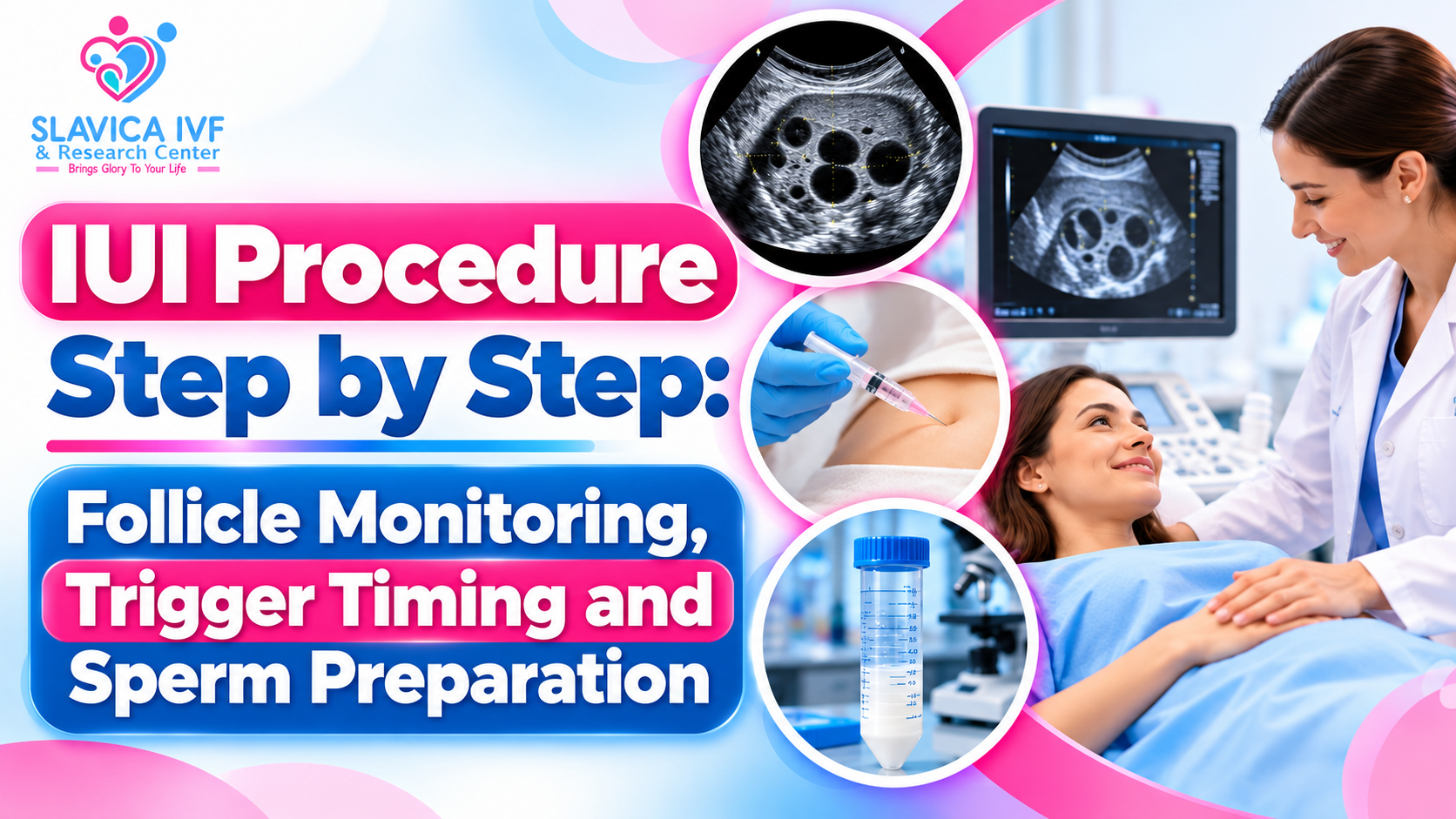
An IUI procedure is much more than the few minutes required to place prepared sperm into the uterus. A complete intrauterine insemination cycle may include fertility assessment, monitoring of follicle development, identifying or triggering ovulation, preparing a semen sample in the laboratory and timing insemination so that viable sperm are present around the period when […]
- Sinamangal Kathmandu
Nepal -
Sun - Friday 8.00 - 18.00.
Saturday CLOSED
Blogs
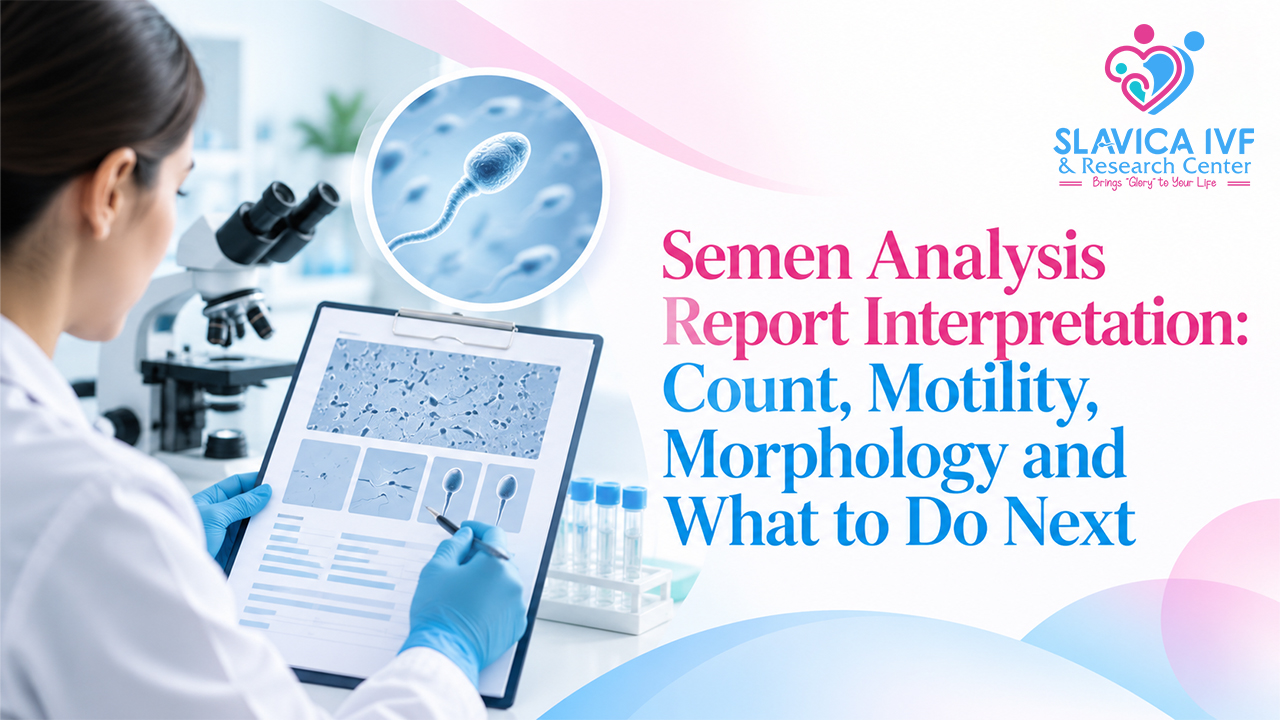
A semen analysis report measures several characteristics of semen and sperm, especially sperm concentration, total sperm number, motility and morphology. The most important thing to understand is that one value marked “low” does not automatically mean infertility, and values within reference ranges do not guarantee pregnancy. For semen analysis report interpretation, the numbers need to […]
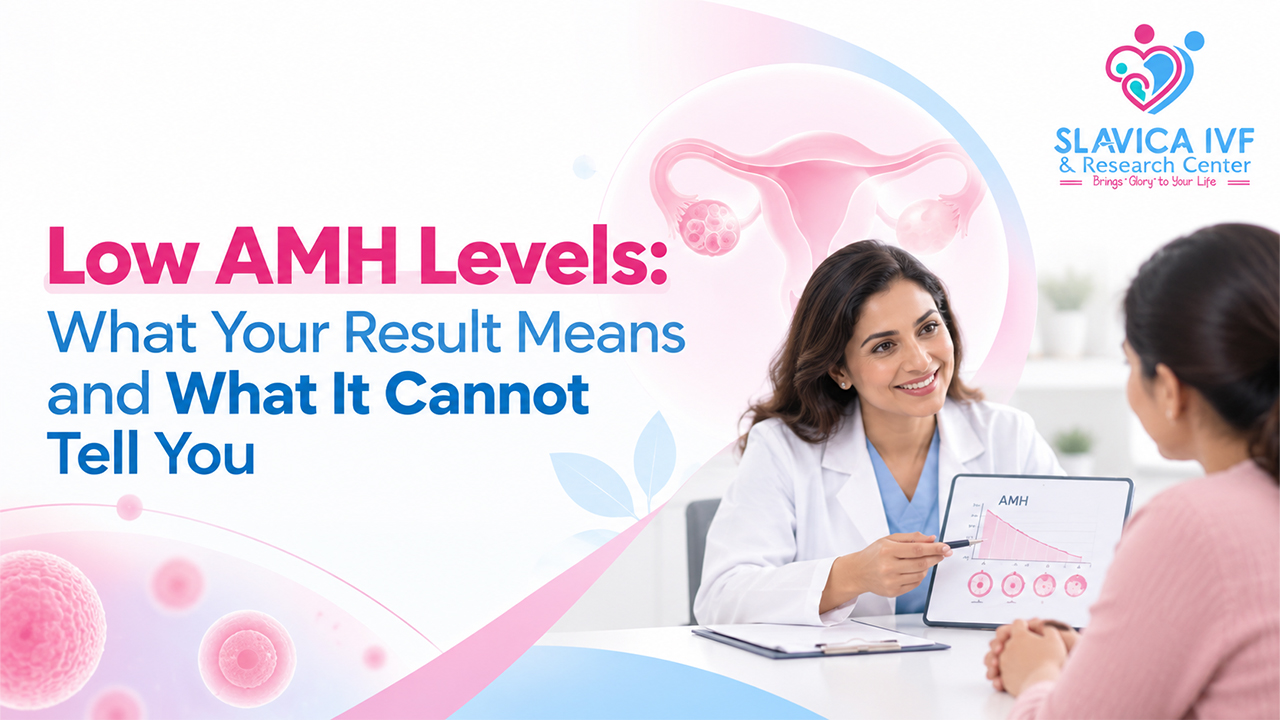
A low AMH result usually suggests that the number of follicles available in the ovaries is lower than expected, particularly when the result is considered alongside age and other fertility findings. It does not, by itself, mean that you are infertile, that your remaining eggs are poor quality, that natural pregnancy is impossible, or that […]
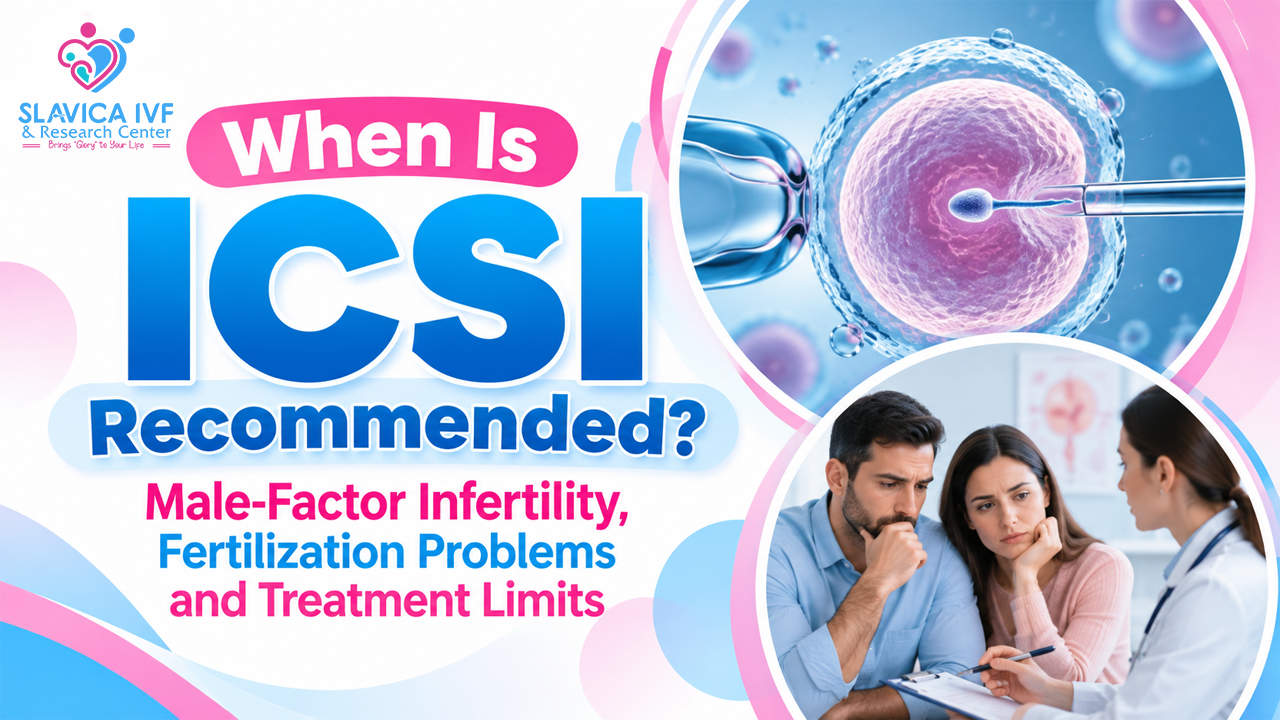
When is ICSI recommended? Intracytoplasmic sperm injection is most clearly indicated when there is a significant sperm-related problem, when sperm have been retrieved surgically, or when previous conventional IVF resulted in failed or very low fertilization. Current 2026 guidance does not support automatically adding ICSI to every IVF cycle simply because it is a more […]
The IUI cost in Nepal depends on more than the insemination procedure itself. A complete treatment plan may involve fertility consultations, semen analysis, fallopian tube assessment, ultrasound monitoring, medication, sperm preparation, the insemination procedure, and follow-up testing. Because these requirements differ between patients, there is no single treatment price that accurately applies to everyone. Slavica […]
The most useful steps for improving fertility are to have intercourse regularly during the fertile window, stop smoking, review medicines and health conditions before pregnancy, begin appropriate folic-acid supplementation, maintain a balanced lifestyle and seek fertility assessment at the right time. Men and women should both be included because fertility difficulties may involve either partner, […]
If you are searching for how to delay periods naturally, the most important fact to know is that there is currently no scientifically established natural remedy that can reliably postpone an expected menstrual period. Popular suggestions such as lemon juice, apple cider vinegar, special foods, gelatin, intense exercise, or herbal remedies should not be relied […]
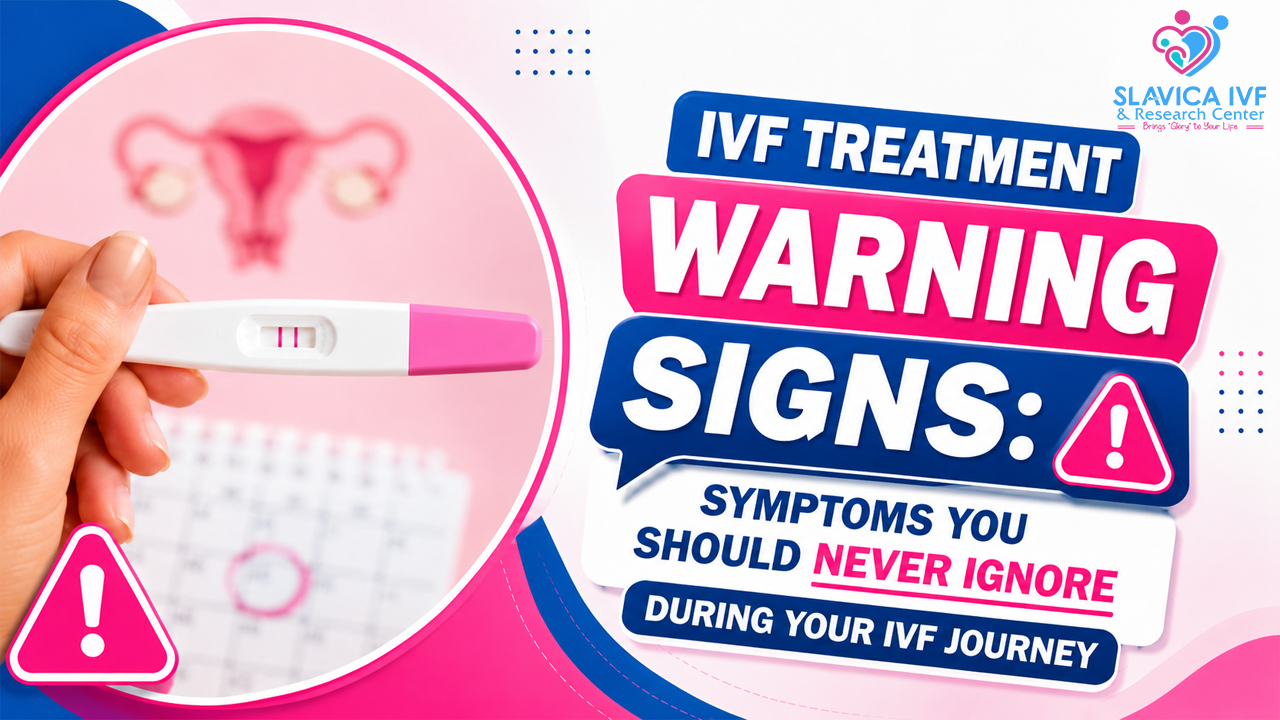
Some bloating, pelvic discomfort, injection-site soreness or light spotting may occur during an IVF cycle. However, rapidly worsening abdominal swelling, severe pain, repeated vomiting, reduced urination, breathing difficulty, chest pain, fever or heavy vaginal bleeding are IVF treatment warning signs that need prompt medical assessment. These symptoms do not automatically mean that a serious complication […]
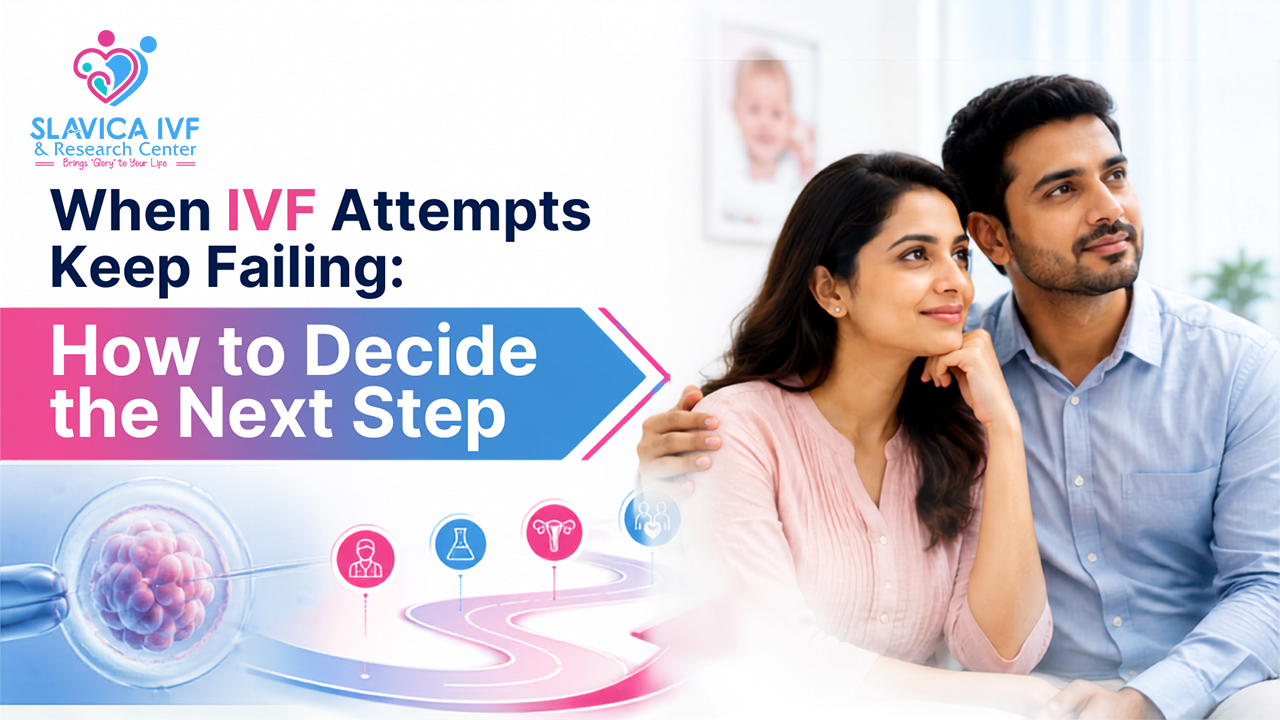
When IVF attempts keep failing, the next step should not automatically be another identical cycle or a long list of additional tests. The more useful approach is to review exactly where each cycle stopped progressing, identify patterns across the cycles, and choose a targeted response. That response may involve changing the ovarian-stimulation plan, reviewing fertilization […]
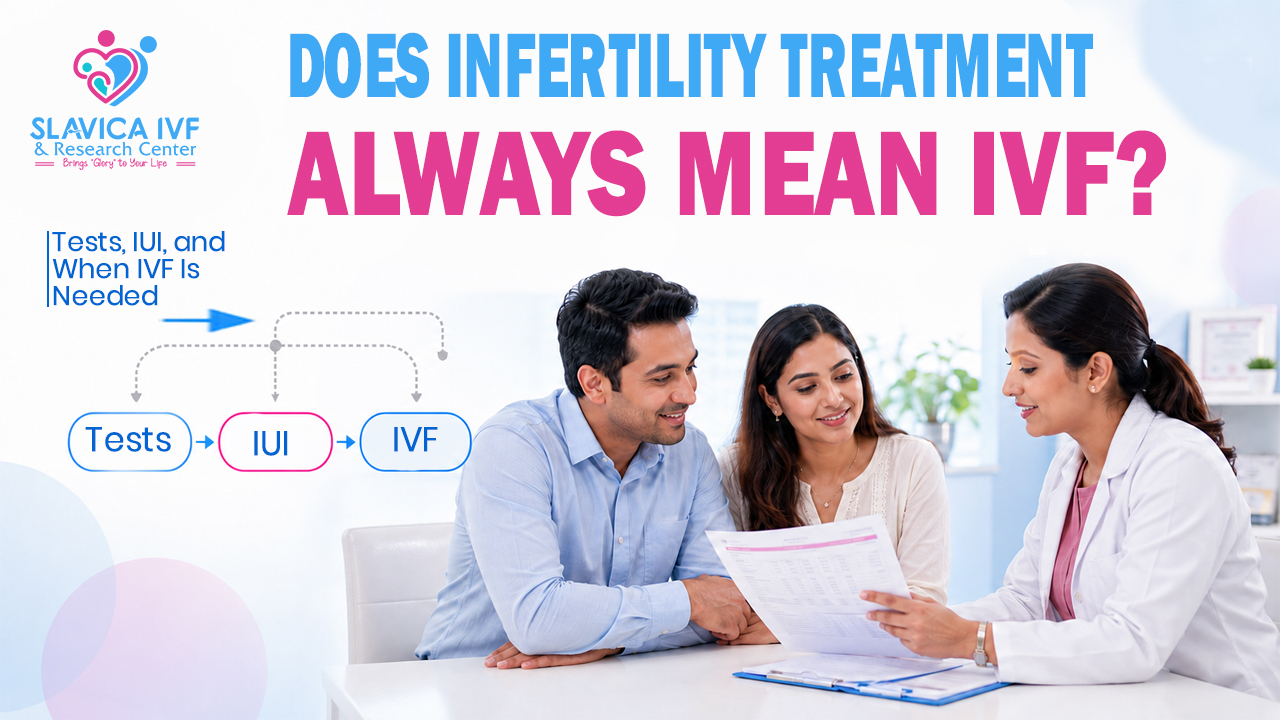
Does infertility treatment always mean IVF? No. IVF is one important form of infertility treatment, but it is not automatically the first or only option. Fertility care normally begins by identifying the possible infertility cause. This may involve checking ovulation, hormone levels, ovarian reserve, the uterus and fallopian tubes, and the male partner’s semen parameters. […]
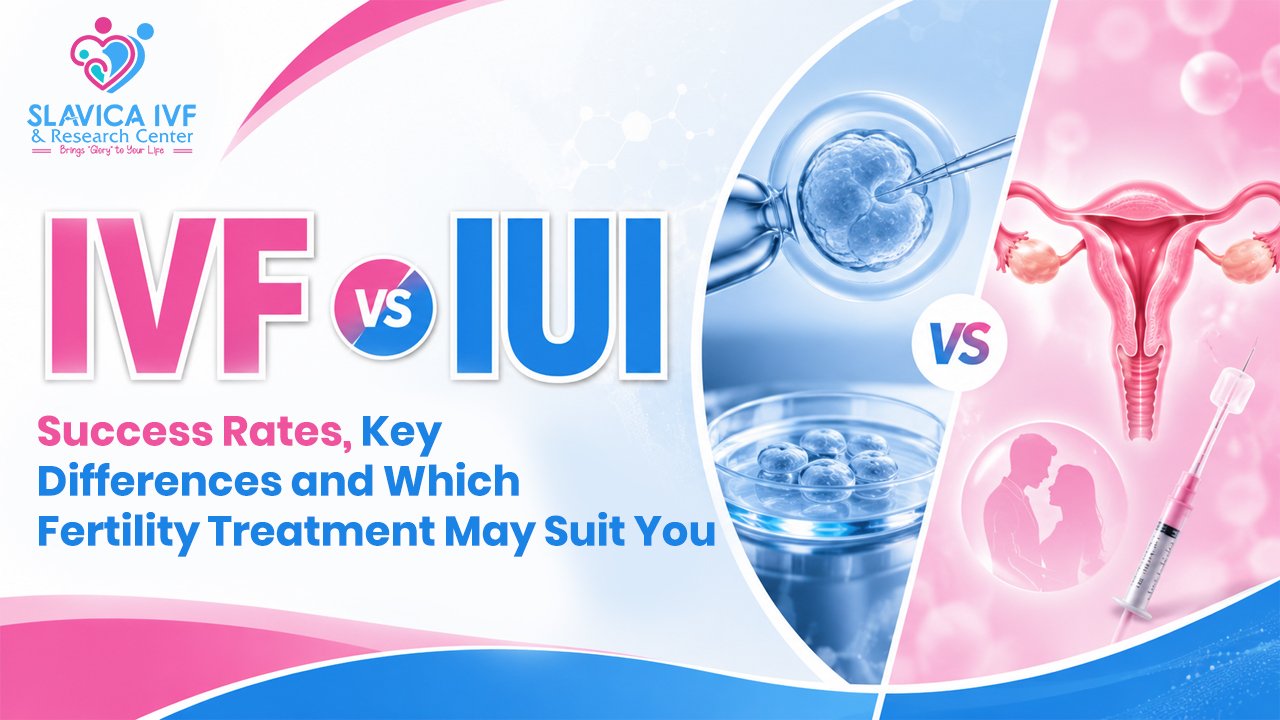
Medical reviewer: Dr. Nikita Dhakal, MD (Obstetrics & Gynaecology), IVF Specialist Last reviewed: July 2026 Choosing between IVF and IUI can feel overwhelming, especially when every month of trying carries emotional, physical and financial weight. The main difference is simple: IUI places prepared sperm inside the uterus around ovulation, while IVF fertilises eggs with sperm […]
Is IVF always the first option? No. IVF is an important fertility treatment, but it is not the first step for every couple. The right treatment depends on the infertility cause, age, egg reserve, sperm health, fallopian tube condition, ovulation pattern, hormone levels, and how long pregnancy has been delayed. Some couples may improve their […]