- Sinamangal Kathmandu
Nepal -
Sun - Friday 8.00 - 18.00.
Saturday CLOSED
Primary vs Secondary Infertility: Key Differences Explained
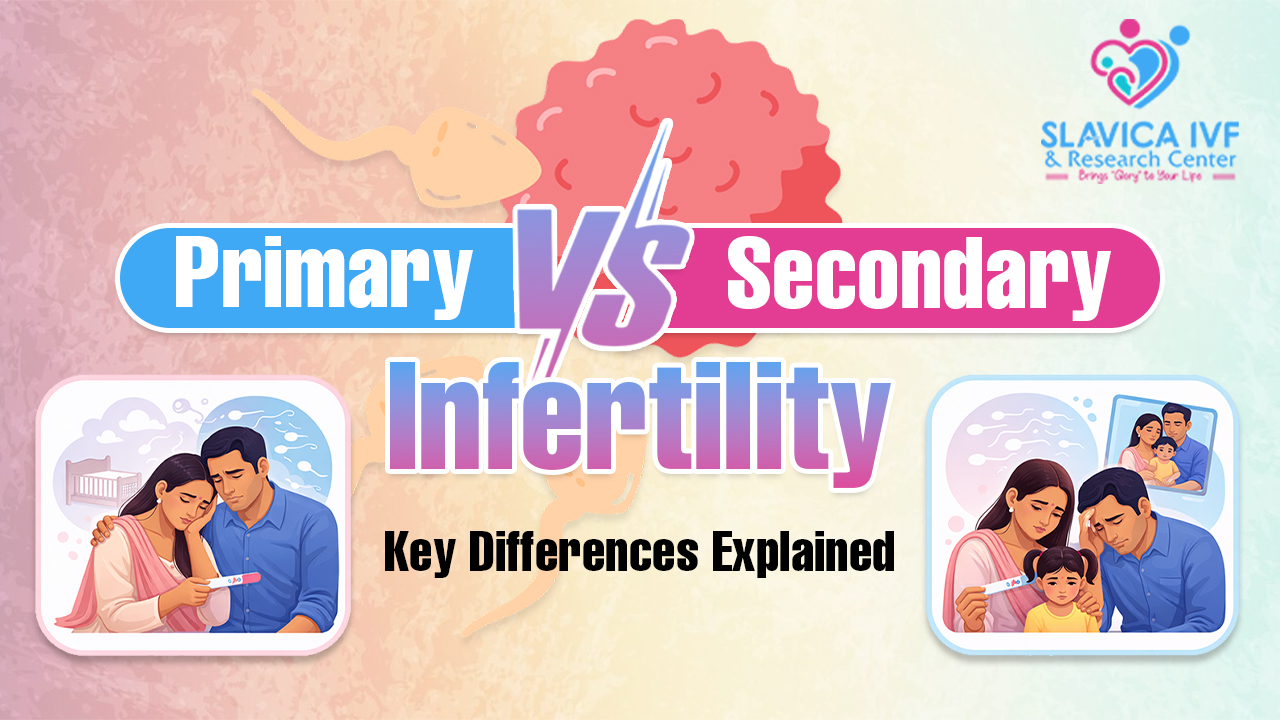
Primary vs Secondary Infertility: Key Differences Explained
Infertility is a challenging condition that affects millions of couples around the world, including those in Nepal. While many people are familiar with the term infertility, they may not understand the distinctions between primary and secondary infertility. At Slavica IVF and Research Center, we believe that understanding these differences is vital to identifying the best treatment options and finding a solution to infertility.
This blog will explore the key differences between primary and secondary infertility, including their causes, diagnosis, treatment options, and how IVF (In Vitro Fertilization) in Nepal can play a significant role in overcoming these challenges. If you are considering IVF treatment, understanding your infertility type can help guide your journey towards successful conception.
What is Infertility?
Infertility is the inability to conceive a child after one year of regular, unprotected sexual intercourse. It can affect both men and women, and the causes can be varied. In many cases, medical intervention is required to help a couple conceive. Advances in reproductive medicine, including IVF, have provided many individuals and couples with hope for starting a family, even in challenging circumstances.
Before diving into primary and secondary infertility, it’s important to understand that fertility issues can arise due to a wide range of factors. These include hormonal imbalances, age-related issues, structural problems in the reproductive organs, and male factor infertility.
What is Primary Infertility?
Primary infertility refers to the inability to conceive a child after a year or more of trying, without ever having been pregnant in the past. Couples dealing with primary infertility have never been able to achieve a successful pregnancy, making it a particularly difficult experience.
Causes of Primary Infertility
The causes of primary infertility can be divided into male and female factors:
- Female Factors: These can include ovulatory disorders (such as polycystic ovary syndrome or PCOS), blocked fallopian tubes, endometriosis, or issues with the uterus like fibroids or structural anomalies. Age is also a crucial factor for women, as fertility tends to decline with age, especially after the age of 35.
- Male Factors: Male infertility often stems from issues like low sperm count, poor sperm motility, or abnormal sperm morphology. Lifestyle factors like smoking, alcohol consumption, and stress can also contribute to male infertility.
IVF for Primary Infertility in Nepal
For couples facing primary infertility, IVF in Nepal is an excellent option. IVF involves the process of fertilizing eggs outside the body and then implanting the embryo into the woman’s uterus. IVF treatment in Nepal has become increasingly popular due to the expertise of leading fertility specialists and IVF clinics in Nepal. With the right diagnosis, IVF offers a promising solution for primary infertility.
At the Slavica IVF and Research Center, we offer personalized IVF treatment plans designed to address the unique needs of each patient. We understand the emotional and physical challenges of infertility and strive to provide the highest quality care and support throughout your IVF journey.
What is Secondary Infertility?
Secondary infertility, on the other hand, refers to the inability to conceive or carry a pregnancy to term after having previously conceived one or more children. Couples experiencing secondary infertility have already had at least one successful pregnancy, but now face difficulty in conceiving again.
Causes of Secondary Infertility
The causes of secondary infertility can be similar to primary infertility, with both male and female factors at play. However, additional factors may contribute to secondary infertility:
- Female Factors: Age is a critical factor here as well. Women who have had one or more children earlier in life may find it more challenging to conceive as they age. Other factors include damage to the reproductive organs due to previous pregnancies, such as scarring or uterine problems, and conditions like endometriosis or polyps.
- Male Factors: Just like primary infertility, male infertility can also contribute to secondary infertility. A man’s sperm count, motility, or morphology may have changed since the previous pregnancy, leading to difficulties conceiving.
- Lifestyle Factors: For both men and women, lifestyle changes such as smoking, excessive alcohol use, or weight gain may contribute to secondary infertility. The added pressures of work, family, and life stress can also affect fertility.
IVF for Secondary Infertility in Nepal
Secondary infertility can be just as emotionally taxing as primary infertility, especially for couples who have already experienced the joy of parenthood. If you are struggling with secondary infertility, IVF treatment at one of the leading IVF centers in Nepal, such as Slavica IVF and Research Center, can offer hope.
Our experienced team of fertility specialists will work with you to assess your condition and determine the best course of treatment. In some cases, IVF may be combined with other assisted reproductive technologies, such as ICSI (Intracytoplasmic Sperm Injection) or egg/sperm donation, depending on your specific needs.
Key Differences Between Primary and Secondary Infertility
While primary and secondary infertility share many common features, the key difference lies in the reproductive history of the couple. Here are the primary distinctions between the two:
| Aspect | Primary Infertility | Secondary Infertility |
| Reproductive History | No history of pregnancy. | History of at least one successful pregnancy. |
| Causes | May be due to structural, hormonal, or genetic issues that prevent conception from occurring. | May result from age-related factors, complications from previous pregnancies, or changes in reproductive health over time. |
| Emotional Impact | Can be emotionally overwhelming as it is the first experience of not being able to conceive. | Can be emotionally more difficult as the couple has already experienced parenthood and longs to add to their family, but faces unexpected challenges. |
| Treatment Approach | IVF is often recommended as a first-line treatment, along with lifestyle changes, medications, and surgery for specific conditions. | IVF may be considered if natural conception is not possible. Additional treatments like hormone therapy, surgery, or medications may be required depending on the individual case. |
IVF Treatment for Both Primary and Secondary Infertility
Regardless of whether you are dealing with primary or secondary infertility, IVF in Nepal can provide a solution to help you achieve your dream of having a child. The success of IVF largely depends on several factors, including the age of the woman, the quality of eggs and sperm, and the health of the reproductive system.
At Slavica IVF and Research Center, we offer the latest in IVF technology, including advanced monitoring, embryo freezing, genetic testing, and the support of a highly skilled team of doctors and fertility specialists. Our goal is to provide you with personalized care, ensuring the best possible chance of success in your fertility treatment.
IVF Success Rates in Nepal
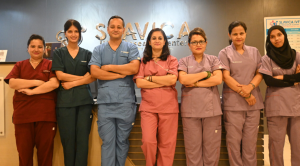
IVF success rates can vary depending on several factors, including the clinic’s expertise, the age of the woman, and the specific infertility issue being treated. Nepal is home to several renowned IVF clinics, with success rates that compete internationally. Leading IVF centers in Nepal, such as Slavica IVF and Research Center, focus on providing customized care that maximizes the chances of successful conception.
To ensure that you are receiving the best IVF treatment, it is crucial to choose an IVF clinic that offers comprehensive services, including fertility assessments, counseling, and ongoing support. By partnering with an experienced IVF center, you can increase your chances of success and experience a smoother fertility journey.
Conclusion
Whether you are dealing with primary or secondary infertility, it’s important to remember that help is available. IVF treatment in Nepal has advanced significantly over the years, offering a viable solution for couples facing fertility challenges. Slavica IVF and Research Center stands as one of the leading IVF clinics in Nepal, providing a range of services designed to support you through your infertility journey.
If you are struggling with infertility, whether primary or secondary, we invite you to schedule a consultation with our experienced fertility specialists. Our goal is to provide you with the knowledge, care, and support you need to achieve your dream of becoming a parent.
Contact us today to learn more about how IVF in Nepal can help you overcome infertility and start your family.